An Interview with Adam O’Neill, Youth Mentor
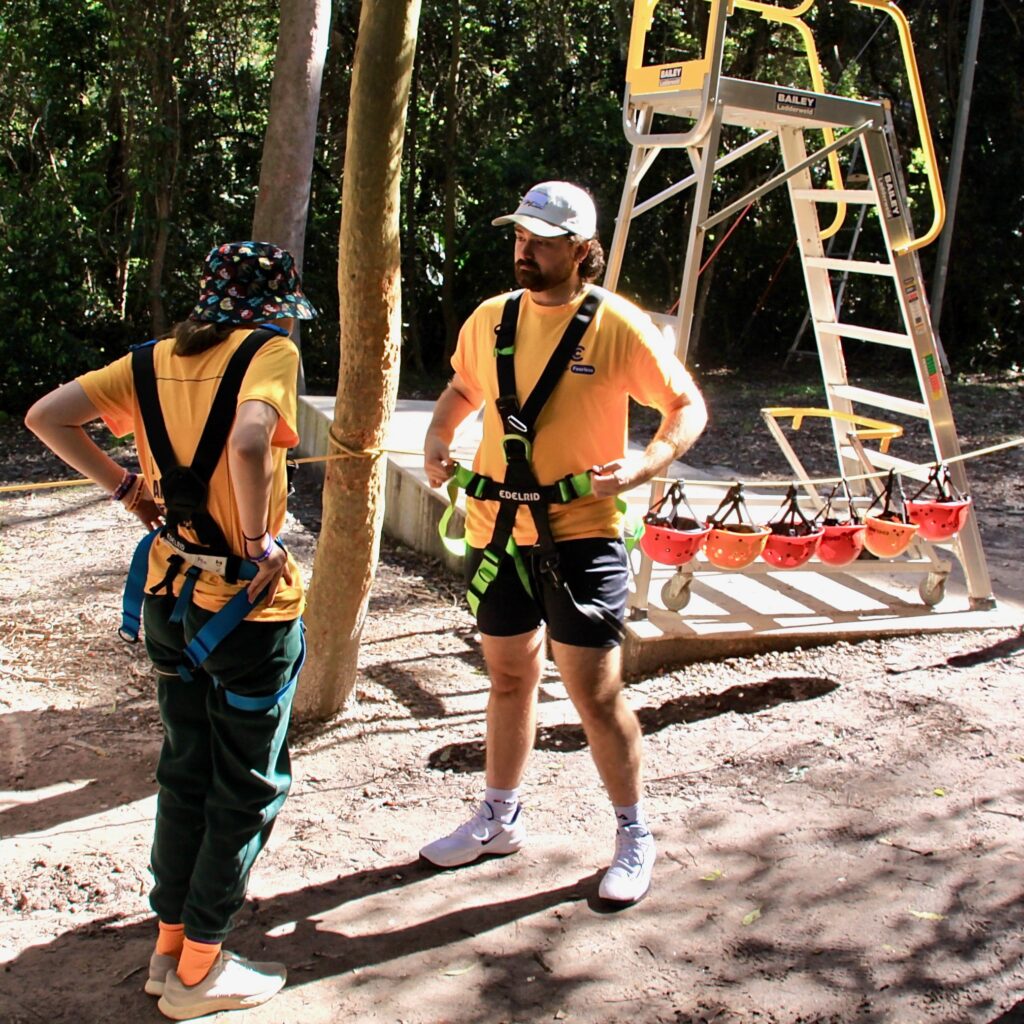
Mentoring young people living with IBD is a vital part of the support we provide. Beyond medical care, mentorship offers connection, reassurance, and guidance from those who understand the challenges firsthand. It helps young patients feel less isolated, builds resilience, and gives them practical strategies for navigating school, friendships, and daily life with confidence. By sharing lived experience and encouragement, mentors empower young people to see that their condition does not define them, and that they can thrive with the right support around them.
1. How did you get involved with CCA?
I’ve been involved with CCA since I was 12. When I was diagnosed with Crohn’s disease, my mum reached out online looking for a space that supports people with IBD and found CCA. It kept us up to date with the latest news and allowed us to participate in online studies.
My mentoring, however, only began in the past year. I’d been looking to get into the IBD clinical trial space and reached out to my old paediatrician for suggestions. He referred me to Bart, the Volunteers and Programs coordinator at CCA, who recommended I attend the WA Youth Day as a mentor. I absolutely adored the day—chatting with kids and parents about what they’d been through. It was inspiring to see children, many younger than I was at diagnosis, showing such resilience in the face of a serious illness. From there, Bart offered me a place at CCA’s Camp Fearless, and now I’m looking forward to any other mentoring opportunities that come my way.
2. What inspired you to become a mentor for young people with IBD?
I put myself forward for mentoring mainly because I felt I had something to offer. I remember being diagnosed, and I remember how good the doctors were, but I still felt isolated and without anyone who could guide me through dealing with the disease on a personal level. I would love to be that person for others—to let kids and adolescents know that much of what they’ve been through, I’ve been through too, and to share the tips and tricks I’ve picked up along the way.
I have a degree in Biomedical Science (because I want to study IBD) as well as lived experience, and one of the best ways I know to cope with the disease I’ve been dealt is to make my suffering feel useful in some way. I know of no better way to make it worthwhile than to pass on what I’ve learned along the way, with no detail too small.
3. What strategies do you use to support children and young people who are newly diagnosed or feeling isolated?
I think there are two important things to keep in mind when talking to young people who are newly diagnosed. The first is to listen to all of their problems and treat each issue with equal importance. Even a minor symptom or problem that seems small to me as an adult can have a massive effect on their quality of life. For example, I was on a liquid diet for two months after being diagnosed, and while it was tough for many reasons, one of the hardest parts was having to take the drink to school, expecting to be ridiculed. Experiences like this never came up in discussions with doctors, yet they had a huge impact. Spending two months hiding behind my locker, quickly drinking a not-very-tasty nutritional shake while watching my friends eat food, took a real toll on my psyche. That’s why it’s important to address not only the big problems but also the smaller ones that arise along the way.
The second strategy I use is to treat every symptom and problem as normal. For a young person, talking about bowel movements, rectal bleeding, and other aspects of this disease can be overwhelming. When you’re trying to form your identity, it can feel humiliating to explain to friends and teachers what’s happening with your bowels and why you need special treatment. These aspects of the disease can be isolating if handled insensitively. It’s important to reassure them that whatever they’re experiencing is completely normal, and that although it may not feel like it, others—including people their age—are going through similar things.
When I talk to young people, I try to be frank about my own experiences. There’s no use sugar-coating what I’ve been through—they’ve been through it too. Speaking openly helps to destigmatise the embarrassment that often comes with the disease.
4. What do you hope each young person takes away from your time together?
I hope that each young person takes away from our interaction the understanding that, although this disease is ever-present, it doesn’t have to hang over them like a cloud. Everyone’s strategy for dealing with it is different. At my worst, my philosophy has always been to “roll with the punches.” I find it easier to frame the symptoms as a challenge—as a fight—and it’s one we always win.
Coming out the other side of a flare-up, trialling new medications, eating well, gaining weight, or undergoing bowel resections—these are all victories. Every step forward, no matter how small, is a win. I hope that whoever I speak with knows that I have bad days as well as good days, and that the bad days don’t make me weaker; they make me stronger when I come out the other side.
That’s the message I want each young person to take away: no matter how bad things get, there will always be a time when those clouds lift.
5. If you could change one thing about how society understands or supports young people with IBD, what would it be?
I think the main thing I would change is the stigma associated with IBD. Because it is a gastrointestinal disease, young people often hesitate to discuss their symptoms. Taking that initial step to admit something is wrong can be difficult, especially with the fear of being ridiculed by those around them. It would be wonderful if young people felt comfortable discussing their issues openly without this fear.
I also believe it is important to address the psychological issues associated with IBD. Treatment for IBD is constantly evolving, and the medications are becoming increasingly impressive. However, in my experience, the psychological impact has not been discussed enough. It would be great if more caretakers and doctors had open conversations with young people about how closely gut issues are linked with psychological wellbeing, and what can be done to support them.