From Struggler to Runner: Maria’s Story
When I was 12 years old, I was diagnosed with Crohn’s disease after years of being told my symptoms were “just a stomach virus” and making multiple trips to hospital.
Throughout primary school and high school, I struggled with low energy and fatigue. Participating in sports carnivals was out of the question, and for a long time, I felt like I was missing out on experiences that came so easily to other kids.
Over the years, I tried countless diets and treatments in search of something that would work. For a while, I found the right medication and things became more manageable. But when I was 19, everything changed.
After my third colonoscopy, I became seriously unwell and was hospitalised. I spent a month undergoing tests while doctors searched for answers.
My pain was repeatedly managed and I was sent home, but I knew something wasn’t right. Eventually, an abdominal CT scan revealed the true extent of my illness: an 8cm abscess on my terminal ileum, multiple fistulas and severe inflammation.
At the time, there were no permanent gastroenterologists in the regional town where I lived, and many healthcare professionals had limited experience with Crohn’s disease. I often found myself explaining the condition to those treating me. Eventually, I was flown to Melbourne where I underwent major surgery. Doctors removed 40cm of my small bowel, 20cm of my large bowel, four fistulas, an abscess, my appendix and extensive abdominal adhesions.
The surgery changed my life.
Since 2011, I have been in remission. But while the surgery addressed the physical disease, I still had to learn how to manage the ongoing challenges that came with living with Crohn’s. Fatigue, stress and symptom management remained part of my journey, and I needed to find healthy ways to support both my physical and mental wellbeing.
For me, exercise became the answer.
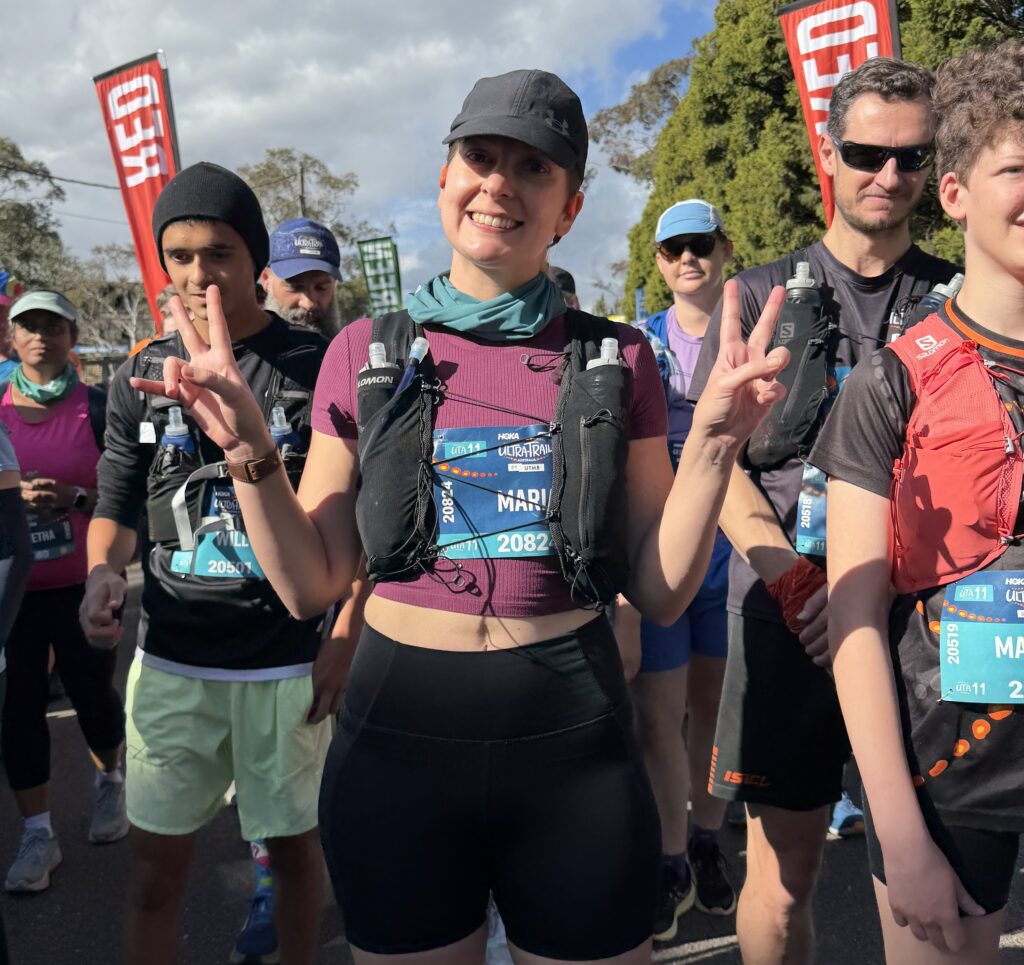
I started with weight training and short walks on the treadmill. At first, even a five-minute warm-up felt like a challenge. But slowly, those few minutes became a 3km run. Then one run became many. Before I knew it, I had completed two half marathons and an 11km ultra trail event. Next year, I’ll be taking on a 22km ultra run.
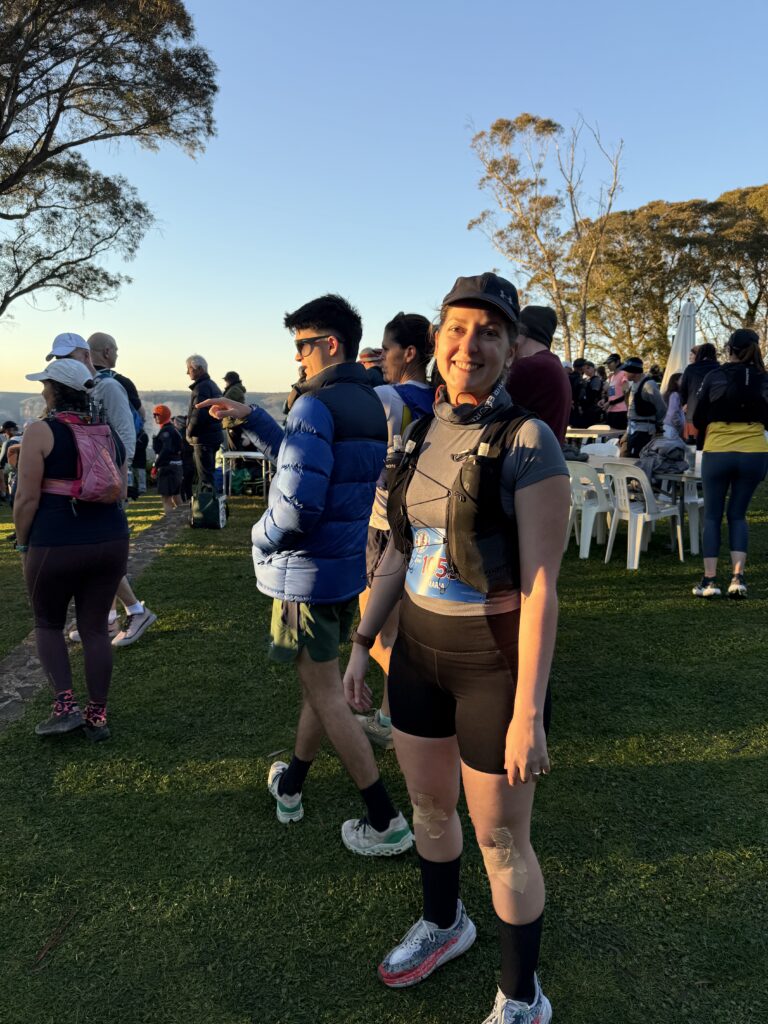
Running and strength training didn’t just improve my fitness. They helped me manage stress, which I recognised was closely linked to increased pain and symptoms. Exercise gave me confidence, purpose and a way to reconnect with my body after years of illness.
Looking back, one of the most important lessons I have learned is the value of self-advocacy. Throughout my journey, I was fortunate to have the support of my family and, later, my husband. But I also learned to trust my instincts and speak up when something didn’t feel right. Living with Crohn’s disease taught me that no one knows your body better than you do.
I also learned the importance of finding a stress-management routine that works for you, whether that’s exercise, a creative hobby or another activity you enjoy. Equally important is building a strong community of people who want the best for you, not the best from you.
From fighting for my life to crossing finish lines, my journey has shown me just how much strength people living with IBD possess. Crohn’s disease may be an invisible illness, but the resilience it demands is anything but invisible.
My message to others living with IBD is simple: trust yourself, advocate for your health, and never underestimate your own strength. Keep fighting for answers, keep challenging the stigma, and keep taking that next step forward, one kilometre at a time.