Ella’s Crohn’s Disease Journey
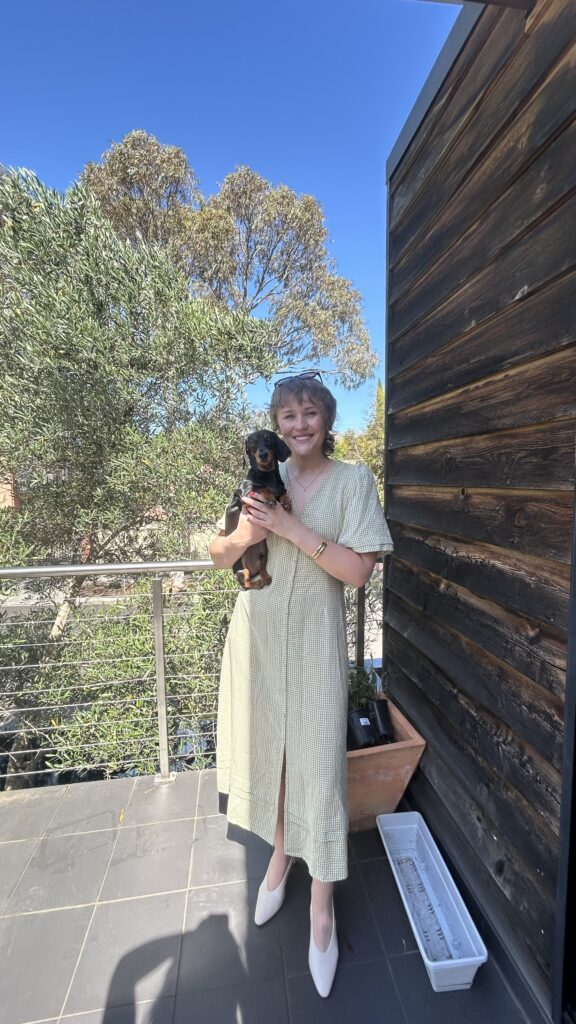
I was diagnosed with Crohn’s disease in September 2025, but my symptoms began years earlier – long before I ever had a name for what was happening to my body.
Looking back, I first noticed something wasn’t right around 2019. I lost a lot of weight quite quickly due to a loss of appetite. At the time, both my doctors and I put it down to stress. I was busy, life was full, and when my appetite eventually returned and my weight stabilised, I didn’t think too much more about it. I had no idea that this could be the early signs of an autoimmune disease.
I’ve also experienced migraines for many years. In 2023, they became chronic and were again attributed to stress. I was prescribed medication and advised to manage my stress levels. The migraines eased in 2024, but by 2025 they had returned and were once again chronic. A visit to the doctor resulted in a recommendation to take supplements, but something didn’t sit right with me.
I decided to seek a second opinion – and that decision changed everything.
The new GP I saw was fantastic. For the first time in five years, someone suggested running blood tests to see if anything deeper was going on. The results showed I was extremely iron deficient, and I had an iron infusion as soon as I could book one in. Around this time, I also noticed blood in my stool. I wasn’t sure how long this had been happening, but my GP quickly referred me for a colonoscopy and gastroscopy.
Those tests confirmed I had inflammatory bowel disease (IBD).
Initially, my diagnosis was classified as unclassified IBD, as my specialist wasn’t sure which type I had. At my six‑month review in April 2026, it was confirmed that I have Crohn’s disease – specifically Crohn’s colitis, which affects only the large intestine.
In some ways, I felt relieved. I was told my disease was considered “mild” and that this type was “better than the alternatives,” but that didn’t make the journey any less real. It has taken time to understand my body, learn about the symptoms, and come to terms with managing a lifelong condition.
Being diagnosed has helped me make sense of so many things from the past – symptoms that were always dismissed as stress, or things I was encouraged to push through. Now, I’m learning to listen to my body more carefully and advocate for myself.
Sharing my story is important to me, because I know how easy it is for symptoms to be overlooked or minimised. If my experience helps even one person push for answers sooner, then it’s worth telling.