Stella’s Crohn’s Story
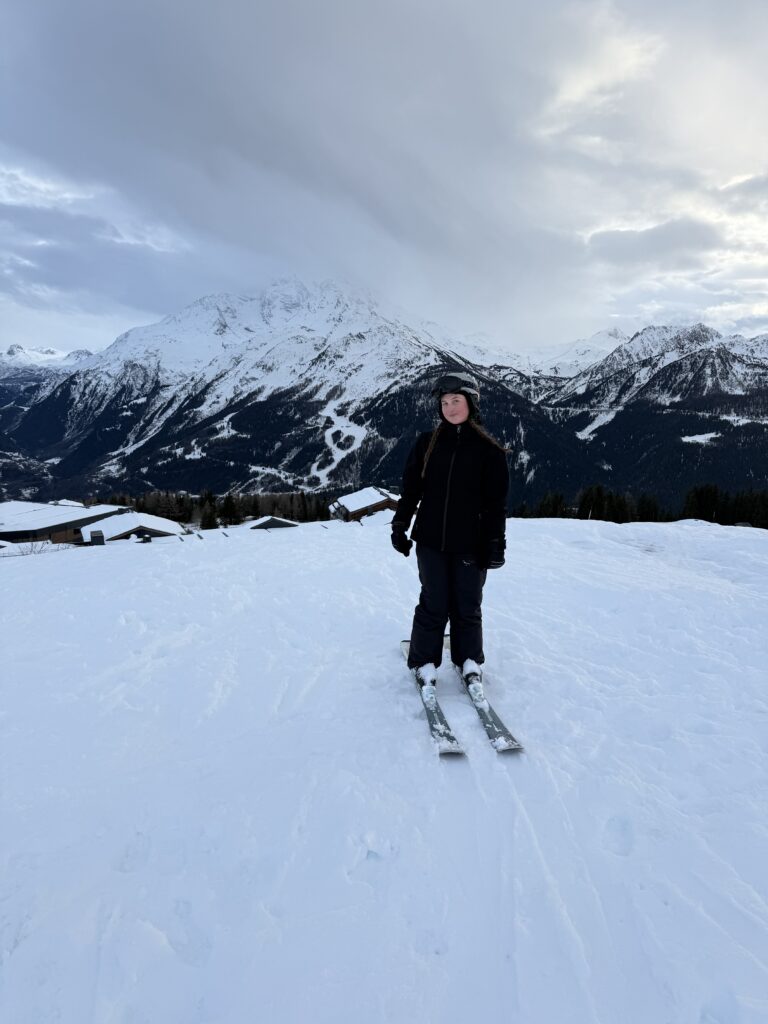
I first noticed something wasn’t right when I was 16 years old. I was on holiday with my family when I started experiencing blood in my stool. At first, I thought it must have been my period because there was so much of it. But my mum has Crohn’s disease, and I grew up watching her fight this horrible illness – so when I mentioned what was happening, we decided it was best to get it checked.
I wasn’t overly concerned at the time. My brother had been tested as a child and didn’t have Crohn’s, so I didn’t think there was any chance I would. I didn’t have many symptoms, but because of our family history, my GP took things seriously. Within two months, I was booked in for a colonoscopy.
The preparation for the colonoscopy was probably the worst thing I’ve ever experienced – I felt so nauseous that I threw up. Despite everything, I went under anaesthetic fully expecting the doctor to tell me I was fine. Unfortunately, that wasn’t the case.
At 17 years old, I was diagnosed with Crohn’s disease.
My diagnosis came during Term 2 of Year 12. I was juggling ATAR, co‑curricular commitments, and rowing five times a week. Suddenly, my life was filled with medical appointments, medication decisions, and trying to process what this diagnosis meant for my future.
My Crohn’s disease proved to be aggressive. I failed multiple treatments, with six‑monthly scopes showing that things were getting worse each time. In 2024, just a year and a half after being diagnosed, I had graduated and was on a gap year, travelling the world – all while my health was at its worst. I was taking multiple medications, heavy painkillers, anti‑nausea drugs, and was faced with the possibility of surgery at just 18 years old. It was terrifying, and easily one of the hardest decisions I’ve ever had to make.
With limited treatment options left and a failed round of steroids, I made the decision to go ahead with surgery. The surgery removed parts of my colon and left me with a large scar down the middle of my body. While it allowed me to live pain‑free for the first time since my diagnosis, I still experience ongoing symptoms, including diarrhoea, nausea, and fatigue.
Living with Crohn’s as a 20‑year‑old comes with daily challenges. I don’t drink alcohol because it triggers my symptoms – something that isn’t considered “normal” at my age. I constantly need to know where the nearest toilet is and feel anxious when there isn’t one close by. I also inject myself monthly for my medication, which no one else my age that I know has to do. Being one of the few people my age living with a chronic illness is exhausting, and it can be incredibly lonely.

I know I’m one of the lucky ones. Because of my family history, my symptoms were taken seriously and I received a quick diagnosis. I have an incredible support system in my family and friends, who care for me deeply, and I’m endlessly grateful for them.
Not everyone has this experience. Many people living with IBD are ignored or gaslit for long periods of time. It shouldn’t be that way – people deserve access to the testing and care they need without having to fight for it.
I’m incredibly grateful for my medical team, particularly my gastroenterologist, who makes me feel seen and heard at every appointment. My biggest hope is that everyone living with Crohn’s or colitis can receive the same level of support and understanding that I have.
If you or someone you love is a teen or young adult living with IBD follow this link to access our supportive resources: https://crohnsandcolitis.org.au/about-crohns-colitis/young-people-with-crohns-and-colitis/